- 0800 755 5269
- info@pat4less.co.uk


Trusted Documentation
Certificates accepted by insurers and regulators.

Low Price Guarantee
Transparent pricing with repairs included where possible.

Qualified Experts
All testing carried out by trained, accredited professionals.



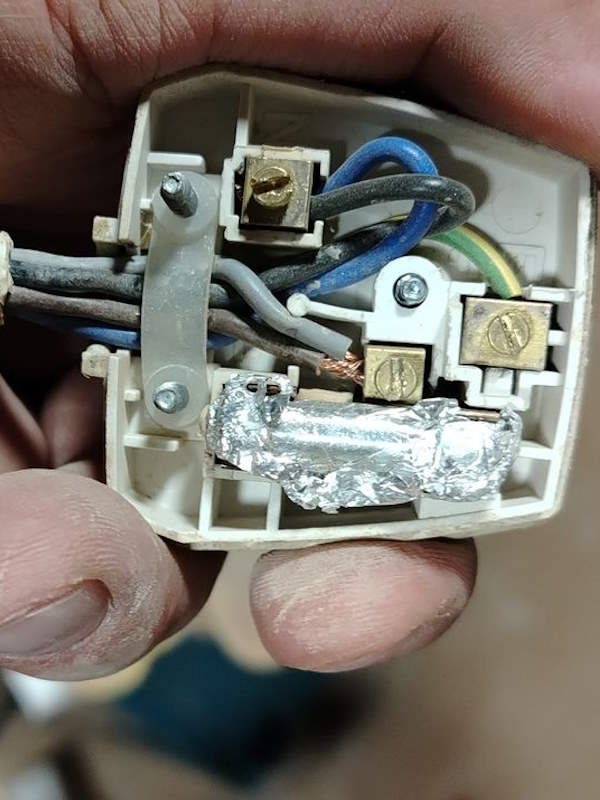
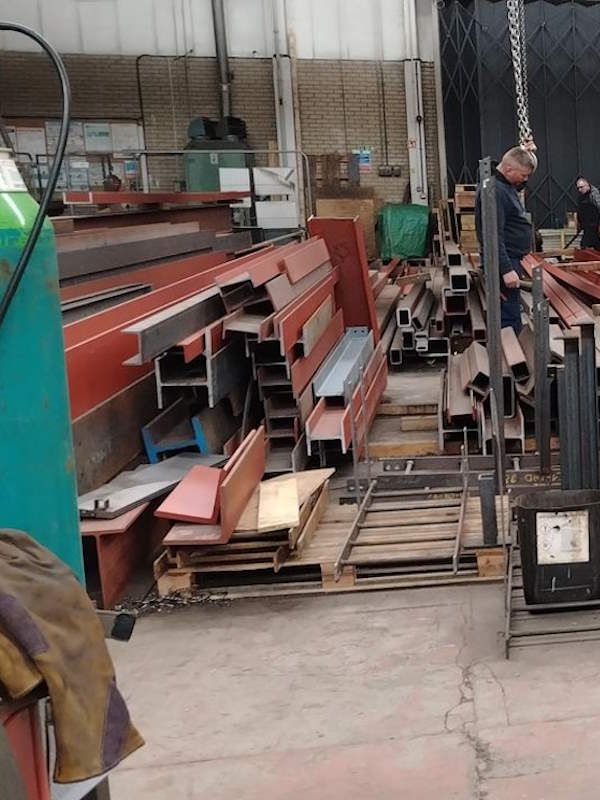
Unlike office appliances, tools live hard lives. They’re dragged across concrete floors, dropped from scaffolds, exposed to dust and moisture, and subjected to constant vibration. Even the best-made kit develops faults under that strain. A cable may look fine externally but be frayed internally; a plug may heat up under load; an insulation barrier may weaken gradually. Without systematic testing, these faults remain invisible until they trigger a failure — or worse, an accident. Tool testing is about getting ahead of those failures by finding the problems before they cause harm.
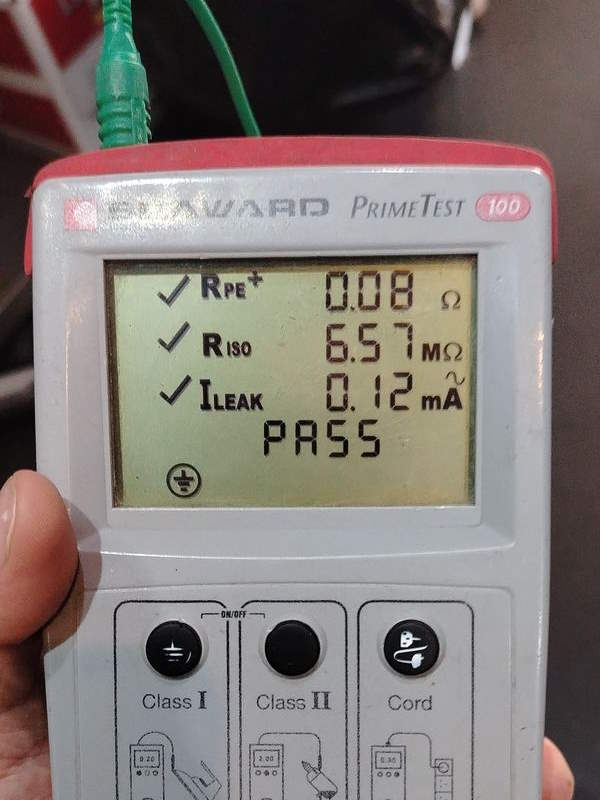
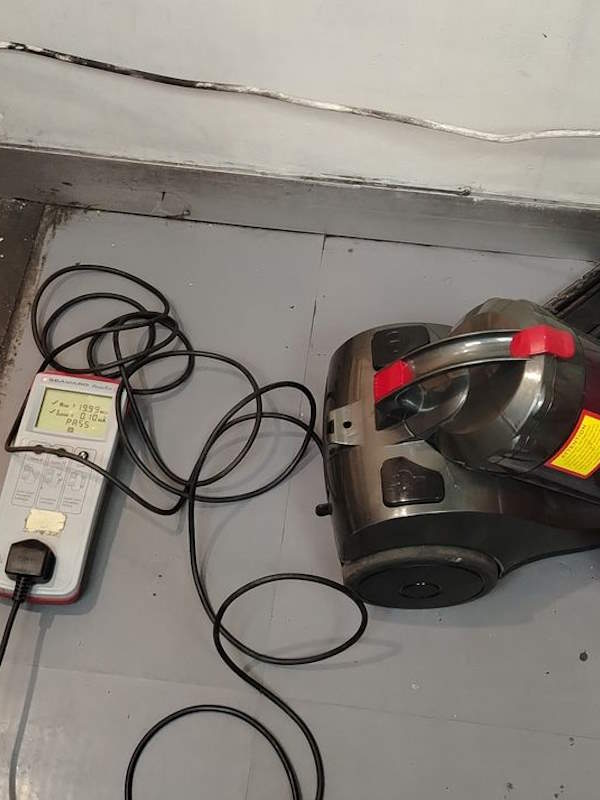
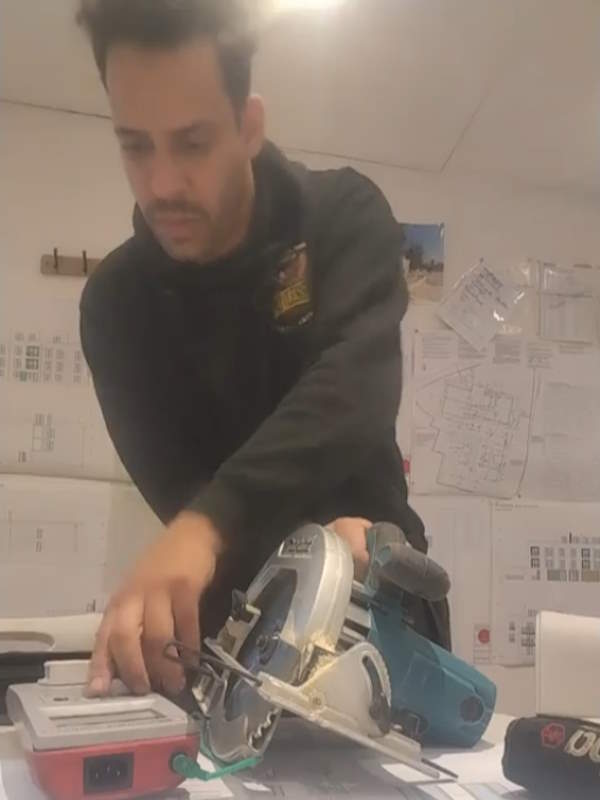
Our approach to tool testing is thorough and practical. Every tool undergoes both visual inspection and electrical testing tailored to heavy-duty use. We check 110V and 240V equipment with continuity tests, insulation resistance checks, polarity verification, and operational function tests. Where minor defects are identified — such as a cracked plug or a blown fuse — our engineers repair them on site whenever possible. That means the tool goes back into safe service immediately, rather than being pulled from circulation for days. This approach maximises uptime without compromising safety or standards.
Tool testing is not just compliance theatre; it is an operational necessity. Every failed tool in the middle of a job represents lost hours, extra cost, and sometimes contract penalties. Worse still, a serious fault can put workers at risk of injury, invite regulatory scrutiny, and damage a company’s reputation.
By embedding regular tool testing into your workflow, you extend the working life of your equipment, demonstrate a culture of responsibility, and avoid the spiralling costs that come from downtime or accidents. In short, it is both good safety and good business.