PAT4LESS

Blogs

What Landlords Need to Know About PAT Testing: Legal Obligations & Best Practices
Ali Esmaeel February 3, 2025

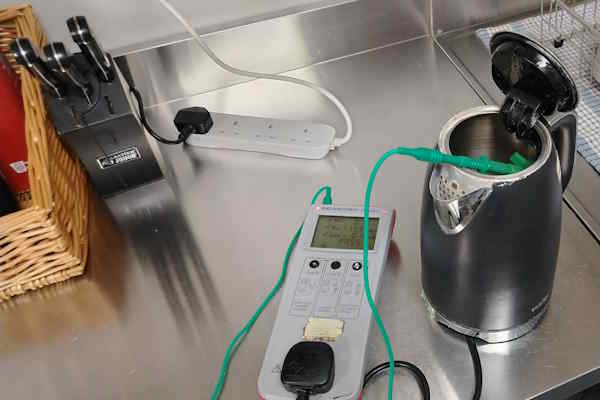
As a landlord, you’re responsible for providing tenants with a safe living environment, and that extends to every kettle, heater, or appliance you supply. Portable Appliance Testing (PAT) is the recognised way to confirm that electrical items are safe to use. While the law doesn’t always state “PAT testing” by name, UK regulations such as the Electricity at Work Regulations 1989 and the Housing Act require that all electrical equipment you provide is maintained in a safe condition. In practice, PAT testing is the simplest, most reliable way to prove compliance if an accident or inspection ever arises.

Beyond the legal duty, PAT testing is also about peace of mind. A failed appliance can cause inconvenience, injury, or even fire. Regular testing not only protects tenants but also protects you from liability. Certificates from a qualified tester serve as documented evidence that you’ve met your obligations — vital if an insurance claim or legal question ever comes up.

Best practice for landlords is to schedule testing annually, particularly in houses of multiple occupancy (HMOs) or properties with frequent tenant turnover. Keep clear records, label appliances with pass/fail stickers, and ensure certificates are filed safely. This consistency reduces risk, smooths out property inspections, and shows tenants you take their safety seriously — a small effort that pays off in trust, compliance, and protection.

"Landlords carry a duty of care to ensure the electrical safety of their tenants"

RECENT ARTICLES

Advice & best practice suggestions