- 0800 755 5269
- info@pat4less.co.uk

For small shops and cafés, electrical appliances are the backbone of daily trade. Refrigerators protect perishable stock, card machines keep payments flowing, and coffee machines drive sales. If one of these appliances fails due to a hidden electrical fault, the result isn’t just inconvenience; it could mean financial loss, food waste, or even a dangerous accident. Regular PAT testing helps spot these issues before they turn into costly disruptions.
Compliance is another reason PAT testing matters. Many local councils and insurers expect proof of regular appliance checks, particularly in public-facing businesses. A missing certificate could make it harder to renew an insurance policy or could leave a shop owner personally liable if an incident occurs. Demonstrating that every kettle, till, and lamp has been tested shows due diligence and builds trust with landlords, inspectors, and customers alike.
"A broken kettle might cost you pennies; a failed safety check could cost you your business."
There’s also the human side: staff and customers trust their local shops not just for convenience, but for safety. Imagine a child touching a faulty drinks cooler or a barista handling a poorly wired coffee grinder. The risks are real, and the reputational damage of such an incident could far outweigh the cost of testing. A small green “Passed” label may look simple, but it’s a quiet promise that safety has been taken seriously.
From an operational standpoint, PAT testing is quick, affordable, and minimally disruptive. Most checks can be carried out outside peak trading hours, ensuring no interruption to business. For shopkeepers and café owners working on tight margins, it’s an investment that protects both profit and peace of mind.
In short, PAT testing isn’t just for large corporations or industrial sites. It’s a lifeline for the very businesses people rely on every day — the shops on the corner and the cafés on the high street. A little prevention keeps the lights on, the fridges running, and the doors open. For small businesses, that’s not a luxury — it’s survival.
A broken kettle might cost you pennies; a failed safety check could cost you your business.
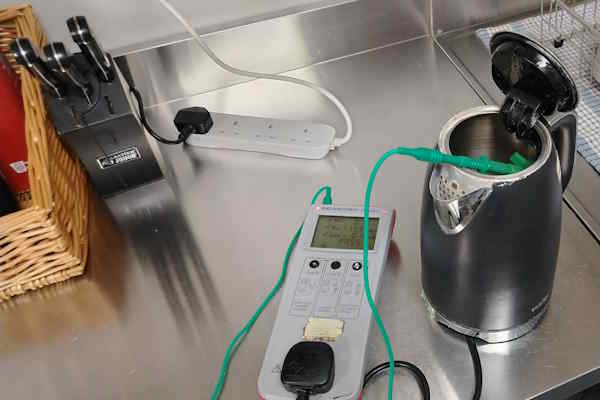
The dangers you can’t see are often the ones that hurt the most.

Landlords carry a duty of care to ensure the electrical safety of their tenants

Preparing for a PAT inspection doesn’t have to be disruptive

Lighting, heating, music, and store layout all run on electricity. Ignore that, and the charm becomes a risk.

An unsafe plug doesn’t just spark a hazard — it sparks liability.